The smell of rain that spreads minutes or even hours before a storm is the result of chemical and biological interactions that converge in the atmosphere, soil and the human olfactory system. This natural warning, recognized by several species, translates physical changes in the environment into sensory stimuli that the brain interprets as a sign of imminent water.
How the nose detects the smell of rain before the storm
The sense of smell works like a radar capable of perceiving volatile compounds in very low concentrations. When masses of cold air descend from heavy clouds, specific molecules reach ground level and enter the nasal passages. There, they bind to olfactory receptors that convert chemical signals into electrical impulses sent to the brain. The detection of the earthy scent, therefore, does not depend on drops touching the ground, but on the anticipated presence of these gases in the lowest layer of the atmosphere.
Among the molecules involved are ozone, geosmin and fragrances from vegetable oils. Each one reaches the external environment through different, but synchronized, mechanisms, composing the characteristic bouquet that announces rain and which, together, is called petricor when the water mixes with the soil.
Molecular breakdown and ozone formation: the first olfactory clue
The cycle begins at heights, with electrical discharges that manifest themselves in the form of lightning. These energy pulses break down oxygen (O2) and nitrogen (N2) molecules in the upper atmosphere. The process generates the O3 gas, ozone, recognized by its metallic and pungent odor.
Downward air currents, typical of cold fronts associated with storm clouds, push ozone toward the surface. When barometric pressure drops — another hallmark of unstable weather — the movement of air masses further facilitates gas transport. Result: Even before any thunderstorms are noticed, O3 molecules are already finding their way into our nostrils, providing the first indication that climate change is underway.
Geosmin: the compound that intensifies the smell of rain
In soil, actinobacteria remain dormant during dry periods. With the sudden increase in relative humidity, they release geosmin, an organic compound that gives off the aroma of wet earth. The human olfactory system is extremely sensitive to this substance, being able to perceive it in concentrations of five parts per trillion.
When the initial water droplets reach the surface, microbubbles form that encapsulate geosmin and other gases. These microbubbles burst quickly and release aerosols into the environment. The wind is responsible for spreading aromatic particles over significant distances, expanding the area where the earthy smell can be smelled even by those who have not yet seen the rain.
Vegetable oils and petricor: the aromatic signature of wet earth
During prolonged periods of drought, many plants expel oils that accumulate on leaves, bark and in the soil itself. As soon as the first precipitation arrives, the water interacts with these substances, generating vapors that complement the bouquet already formed by ozone and geosmin. The final blend — petricor — displays notes reminiscent of herbs, moss and freshness, composing the olfactory experience that most people associate with the arrival of rain.
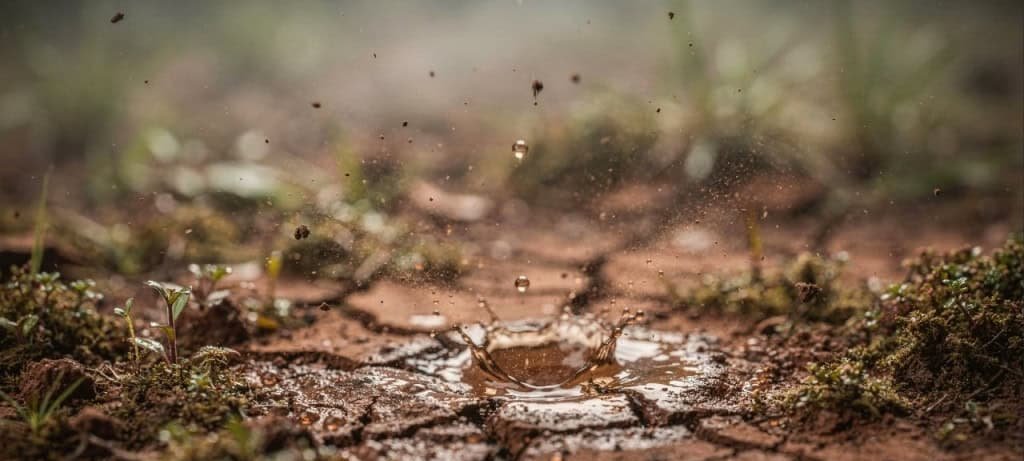
Image: artificial intelligence
This phenomenon is not limited to human perception. Other animals also use odor to anticipate environmental changes, adjusting their behavior according to the sensory prediction offered by the ecosystem itself.
Atmospheric factors that amplify the smell of rain
In addition to the chemistry of the compounds, meteorological variables contribute to the potency of the aroma. The drop in atmospheric pressure, common before storms, facilitates the release of gases trapped in pores in rocks and soil. At the same time, high-speed winds associated with the cold front act as vectors, carrying molecules to human communities far from the main precipitation nucleus.
Another decisive point is the air temperature. When the thermal gradient between the descending air mass and the surface increases, it becomes easier for the soil to cool, which further stimulates moisture condensation and, consequently, the volatilization of compounds. The practical result is a clearer and more widespread smell of rain.
Evolutionary relationship between humans and the smell of rain
The human species has developed over time a positive association with the odor that announces water. In eras in which the availability of water resources was a matter of immediate survival, identifying signs of rain represented an adaptive advantage. The brain therefore internalized the smell as indicative of environmental renewal, abundance and food security.
The activation of areas that promote a feeling of well-being and relaxation when the aroma is detected reinforces the evolutionary heritage. Currently, even in urban environments with a guaranteed water supply, ancestral memory persists, making individuals feel comfort and nostalgia when recognizing the atmospheric scent.
The union between ozone-producing rays, geosmin-generating bacterial activity and the release of vegetable oils outlines a complex cycle that culminates in a clear sensory message: rain is approaching. Understanding these elements not only satisfies scientific curiosity, but also highlights the intrinsic connection between geological, biological and meteorological processes that govern the planet.
Artigos Relacionados Parade that honored Lula generates political reactions and actions in the TSE: understand all the developments
 Melhor época para visitar a Disney em 2026: guia completo de lotação, feriados e eventos
 Empreendedorismo digital materno: sete caminhos para mães gerarem renda trabalhando em casa
 Higiene do sono na gestação: práticas essenciais para garantir noites tranquilas durante a gravidez
 Disneyland Paris: guia completo de estrutura, serviços e particularidades culturais para planejar sua visita