A technical setback detected in the Space Launch System (SLS) has thrown into doubt the scheduled date for the Artemis 2 mission, initially scheduled for the first half of March. On the night of February 20, NASA teams identified an interruption in the helium flow in the rocket's upper stage, which led the agency to prepare the vehicle to leave platform 39B, at the Kennedy Space Center, Florida. If the withdrawal to the Vehicle Assembly Building (VAB) is confirmed, the adjustment should compromise the launch window between March 6 and 11 and push takeoff at least three weeks ahead.
Disruption in helium flow: what the team found
The problem arose during a routine scan carried out on the night of Friday, 20th. Data collected indicated a failure in the passage of helium through the Interim Cryogenic Propulsion Stage (ICPS), the component responsible for propelling the SLS into deep space. Helium is used to pressurize tanks and conduits; Without this continuous supply, the system may lose stability and compromise the cryogenic propellant. The discovery occurred a few hours after a test called “rehearsal”, which had taken place without any irregularities according to the agency itself.
Jared Isaacman, described by NASA as an administrator in a post on the X/Twitter network, reported that the anomaly “almost certainly” will affect the original plan. The need for detailed inspection drives the decision to rollback — a transport operation that returns the rocket to the VAB for evaluation and repair.
Why removing SLS from the platform is inevitable
Fixing the helium system requires internal access to the ICPS and other subsystems located behind protective plates and sealed connections. On platform 39B there are no structures, tools and controlled environments necessary for this type of prolonged opening. The Vehicle Assembly Building offers a climate-controlled area, lifting equipment and adequate safety to deal with pressurized components, especially when working with gases at extremely low temperatures.
Postponing the repair is not an option. If the helium flow remains compromised, the rocket will lose the reliability required to carry four astronauts towards lunar orbit. NASA therefore prioritizes system integrity, even if it means modifying the calendar, a common procedure in manned space programs.
Direct impact on the schedule of Artemis 2
The planning included four initial options: March 6, 7, 8 and 9, with an additional possibility on March 11. These dates align orbital mechanics requirements, crew availability, and communications range reserves. If the rollback is confirmed, each phase of the process adds up to critical days. Removing the platform to the VAB takes approximately 12 hours of travel at reduced speed. Next, scaffolding is installed, residual propellant is drained, lines are pressed and helium system components are replaced.
After the repair, the agency repeats electrical inspections, pressurizations and leak checks. Only then does the SLS follow the same route again, in the opposite direction, until 39B. The entire cycle can exceed three weeks, exceeding the March window limit. Therefore, the closest opportunity is the set of dates released for April: 1st, 3rd, 6th and 30th. Each one obeys orbital conditions that place the Moon at the “right angle” in relation to the Earth, an essential element for translunar insertion.
Alternative launch windows for Artemis 2 and orbital restrictions
Launching a lunar vehicle depends on alignments involving Earth, Moon and sometimes the Sun. The planned path for Artemis 2 requires the Orion capsule to reach a speed and trajectory capable of intercepting the lunar orbit with minimal fuel consumption. If the Moon is not at the appropriate point, the flight needs extra propulsion or additional cruising time, compromising safety margins for the crew.
In addition, communications with tracking networks and lighting conditions during critical operations, such as stage separation, also enter into the equation. NASA therefore defines availability cycles called “windows”. When the dates run out, you need to wait for new opportunities, such as those announced for the following month.
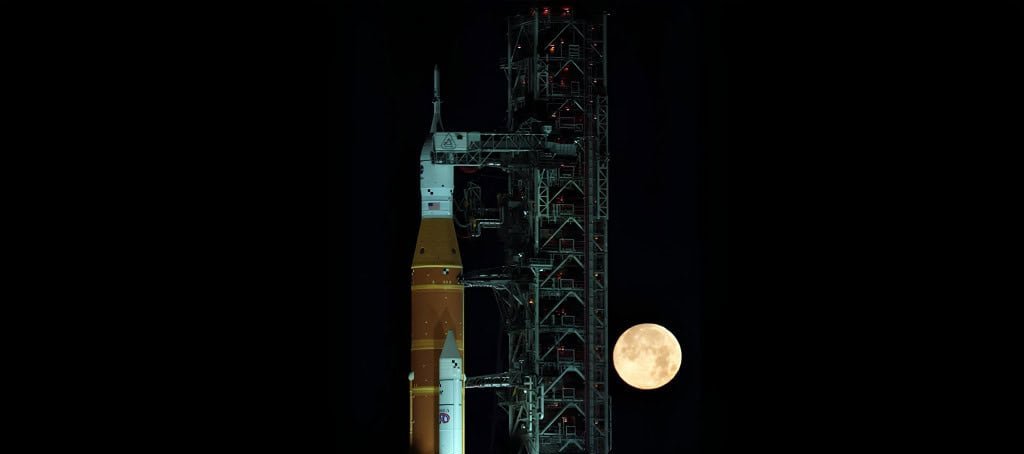
Image: NASA
The crew of Artemis 2 and the role of the Orion capsule
Four astronauts are part of the first manned flight of the Artemis program to lunar orbit: three NASA professionals and a representative from the Canadian Space Agency. For approximately ten days, the quartet intends to carry out a complete test of the Orion spacecraft's systems, validating communications, life support and high-speed maneuvers before returning to Earth.
Orion serves as a modern command module, a conceptual successor to the capsules used in the Apollo era. It will remain attached to the SLS only during takeoff and the first phase of the flight; then, she will lead the astronauts alone. The mission, although it does not include a landing, represents the last stage of testing before a future human landing on the Moon. Therefore, the reliability of each system, including the helium supply, becomes essential.
Entities involved and their strategic functions
Several institutions and platforms make up the launch gear. The Kennedy Space Center houses the integration, testing and launch infrastructure. The Vehicle Assembly Building enables vertical stacking of the SLS and offers a controlled environment for corrections. The 39B platform, a legacy of the Apollo program, was adapted to accommodate the new generation of NASA rockets.
In the field of management, Jared Isaacman stands out, mentioned as the agency's administrator in the public note. His statement on X/Twitter anticipated that the repair extension would almost certainly impact the March window, preparing the space community for the schedule change.
Next steps until the new date is confirmed
NASA reported that teams continue “troubleshooting”, a term used for the set of additional diagnostics that determine the root of the helium supply failure. When they conclude the investigation, the agency will publish the rollback schedule, the estimated duration of the repair and the relocation of the flight within the April options. Until then, the agency maintains the SLS in a secure configuration on the platform, awaiting authorization to begin the night transfer to the VAB.
If the withdrawal operation takes place this week, the first new concrete takeoff opportunity will be April 1st, the initial entry into the series of alternative windows listed by the agency itself.
Artigos Relacionados Cell phone in bed: why nighttime exposure to blue light undermines the quality of deep sleep
 Expired licensing: understand why an overdue document can land your vehicle in the yard and weigh heavily on your pocket
 Smell of rain: understand the science behind the aroma that announces the storm
 Parade that honored Lula generates political reactions and actions in the TSE: understand all the developments
 Melhor época para visitar a Disney em 2026: guia completo de lotação, feriados e eventos